Para ofrecer las mejores experiencias, utilizamos tecnologías como las cookies para almacenar y/o acceder a la información del dispositivo. El consentimiento de estas tecnologías nos permitirá procesar datos como el comportamiento de navegación o las identificaciones únicas en este sitio. No consentir o retirar el consentimiento, puede afectar negativamente a ciertas características y funciones.
Funcional
Siempre activo
El almacenamiento o acceso técnico es estrictamente necesario para el propósito legítimo de permitir el uso de un servicio específico explícitamente solicitado por el abonado o usuario, o con el único propósito de llevar a cabo la transmisión de una comunicación a través de una red de comunicaciones electrónicas.
Preferencias
El almacenamiento o acceso técnico es necesario para la finalidad legítima de almacenar preferencias no solicitadas por el abonado o usuario.
Estadísticas
El almacenamiento o acceso técnico que es utilizado exclusivamente con fines estadísticos.El almacenamiento o acceso técnico que se utiliza exclusivamente con fines estadísticos anónimos. Sin un requerimiento, el cumplimiento voluntario por parte de tu proveedor de servicios de Internet, o los registros adicionales de un tercero, la información almacenada o recuperada sólo para este propósito no se puede utilizar para identificarte.
Marketing
El almacenamiento o acceso técnico es necesario para crear perfiles de usuario para enviar publicidad, o para rastrear al usuario en una web o en varias web con fines de marketing similares.
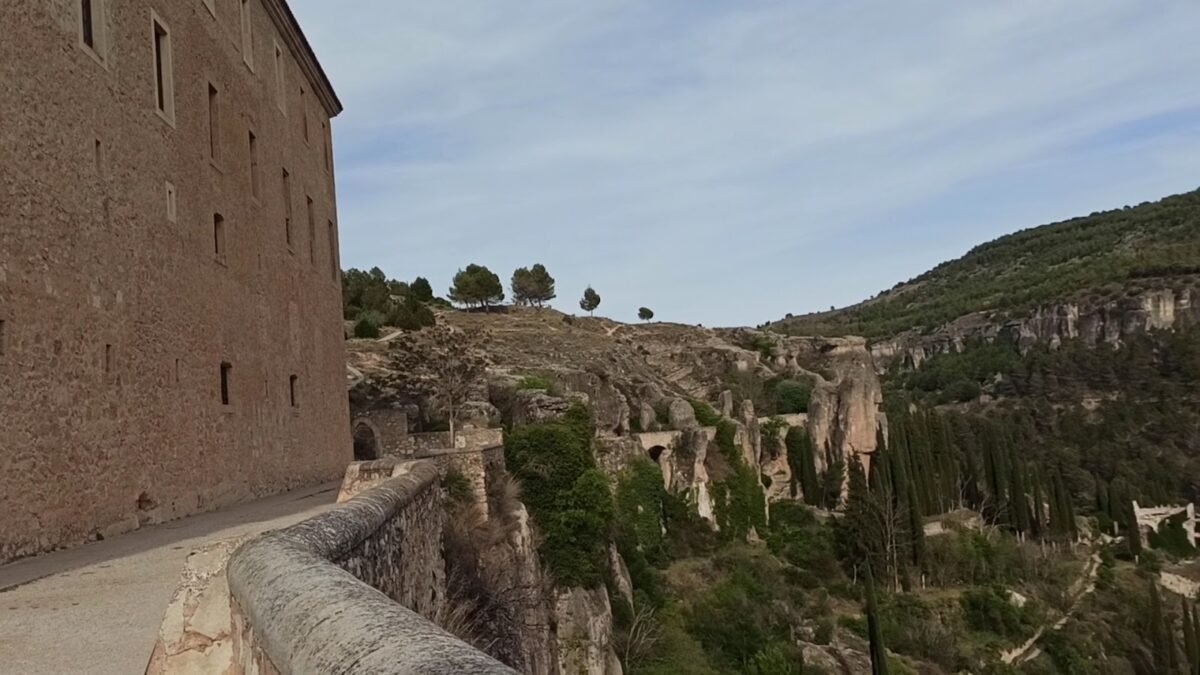
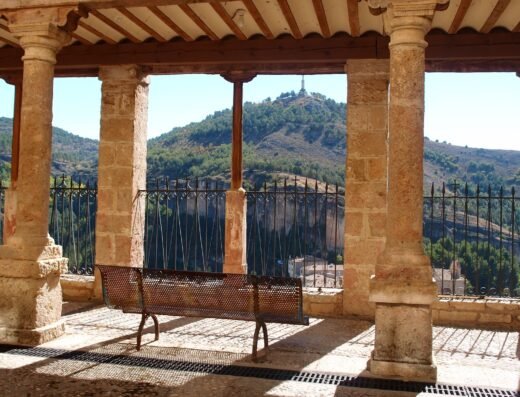
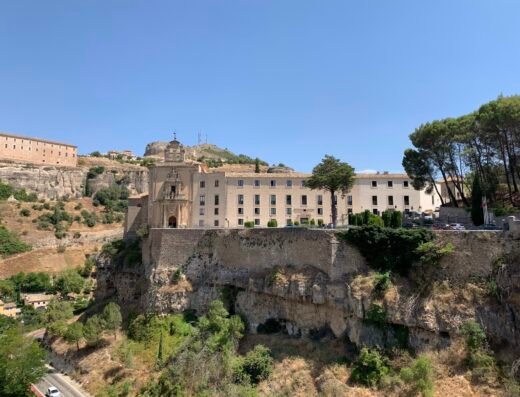
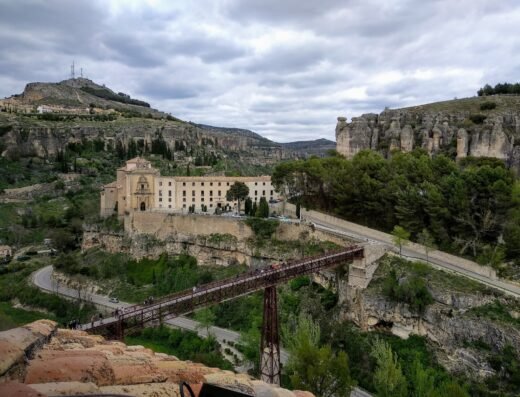
Superb location with magnificent views of the canyon and the city. However, only two cubic structures, sections of the wall, and the Bezudo Arch remain of the castle, enough to understand the scale of the fortress and its role in Cuenca's historic urban landscape. The castle made the most of the natural terrain. The gorges acted as natural defenses, reducing vulnerable points and concentrating access control in narrow, easily defensible areas. This system made Cuenca a virtually impregnable stronghold for centuries. Although no complete castle structure survives, its location and the visible remains might allow you to mentally picture the silhouette of the ancient fortress and enjoy one of the most beautiful natural panoramas of the city and the surrounding gorges. Cuenca Castle stood at the highest point of the historic center, visually dominating the natural access routes and controlling passage between the two gorges. Originally, it was an Arab fortress, integrated into the Andalusian defensive system that protected this strategic territory.
After the Christian conquest of Cuenca by Alfonso VIII in the 12th century, the castle was reinforced and adapted to the new military needs, becoming a key element of Christian control in the region. Over the centuries, the castle underwent various transformations and renovations. The last major documented intervention took place during the reign of Philip II, when the complex's defensive system was strengthened. From this period, the coat of arms of the Order of the Golden Fleece remains, visible on the Bezudo Arch, one of the city's ancient gates.












lolo nuñez
Hace 10 horasPoco queda de lo que era el castillo
Enjoy life
Hace 2 díasSuperb location with magnificent views of the canyon and the city. However, only two cubic structures, sections of the wall, and the Bezudo Arch remain of the castle, enough to understand the scale of the fortress and its role in Cuenca's historic urban landscape. The castle made the most of the natural terrain. The gorges acted as natural defenses, reducing vulnerable points and concentrating access control in narrow, easily defensible areas. This system made Cuenca a virtually impregnable stronghold for centuries. Although no complete castle structure survives, its location and the visible remains might allow you to mentally picture the silhouette of the ancient fortress and enjoy one of the most beautiful natural panoramas of the city and the surrounding gorges. Cuenca Castle stood at the highest point of the historic center, visually dominating the natural access routes and controlling passage between the two gorges. Originally, it was an Arab fortress, integrated into the Andalusian defensive system that protected this strategic territory.
After the Christian conquest of Cuenca by Alfonso VIII in the 12th century, the castle was reinforced and adapted to the new military needs, becoming a key element of Christian control in the region. Over the centuries, the castle underwent various transformations and renovations. The last major documented intervention took place during the reign of Philip II, when the complex's defensive system was strengthened. From this period, the coat of arms of the Order of the Golden Fleece remains, visible on the Bezudo Arch, one of the city's ancient gates.
Maria laura Keegan
Hace 3 díasUna hermosa ciudad , que sorprende a cada paso